Introduction
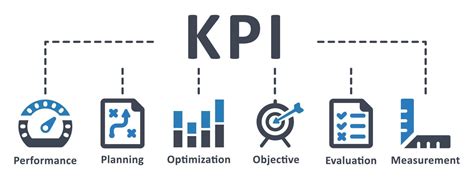
Performance measurement and Key Performance Indicators (KPIs) are essential tools for organizations to evaluate their progress towards achieving their goals and objectives. In 2026, with the increasing complexity of business environments and the ever-growing competition, it becomes even more crucial for companies to have effective performance measurement systems in place.
The Importance of Performance Measurement
Performance measurement allows organizations to assess their performance against set targets and identify areas that require improvement. It provides valuable insights into the effectiveness of strategies, processes, and resources. By measuring performance, companies can make informed decisions, allocate resources efficiently, and enhance their overall performance.
Setting Meaningful KPIs
Key Performance Indicators (KPIs) are specific metrics that help organizations track their progress towards achieving their goals. In 2026, it is crucial to set meaningful KPIs that align with the organization’s strategic objectives. KPIs should be specific, measurable, achievable, relevant, and time-bound (SMART). They should provide a clear indication of whether the organization is moving in the right direction.
Choosing the Right KPIs
Choosing the right KPIs is essential to measure the performance accurately. In 2026, organizations need to consider both financial and non-financial KPIs. Financial KPIs, such as revenue growth and profitability, provide insights into the financial health of the organization. Non-financial KPIs, such as customer satisfaction and employee engagement, help evaluate other aspects of performance that contribute to long-term success.
Implementing a Performance Measurement System
Implementing a performance measurement system involves several steps. First, organizations need to define their strategic objectives and identify the critical success factors. These factors are the areas that have the most significant impact on achieving the goals. Then, relevant KPIs need to be selected for each critical success factor. The data required to measure these KPIs should be collected, analyzed, and reported regularly.
Automating Performance Measurement
In 2026, organizations are increasingly relying on technology to automate performance measurement processes. Automated systems can collect data in real-time, analyze it, and generate reports. This saves time and reduces the risk of errors, allowing organizations to make data-driven decisions quickly. With the advancement of artificial intelligence and machine learning, performance measurement systems can provide more accurate insights and predictive analytics.
Monitoring and Evaluating Performance
Monitoring and evaluating performance is an ongoing process. In 2026, organizations need to continuously track their KPIs and compare actual performance against targets. This allows them to identify trends, make necessary adjustments, and take corrective actions promptly. Regular performance reviews and evaluations help organizations stay on track and ensure continuous improvement.
Reporting and Communication
Effective reporting and communication of performance results are essential in 2026. Organizations should develop clear and concise reports that present the performance data in a meaningful way. Visualizations, such as charts and graphs, can help stakeholders understand the information better. Regular communication of performance results to employees, managers, and stakeholders fosters transparency and accountability.
Benefits of Effective Performance Measurement
Implementing an effective performance measurement system and using KPIs can bring several benefits to organizations. It helps in identifying areas for improvement, aligning strategies with objectives, and making informed decisions. It also enhances accountability, motivates employees, and improves overall organizational performance. In 2026, organizations that leverage performance measurement and KPIs will have a competitive edge in the market.
Conclusion
In conclusion, performance measurement and KPIs play a crucial role in assessing organizational performance and driving success. In 2026, organizations need to focus on setting meaningful KPIs, choosing the right metrics, and implementing effective measurement systems. By doing so, they can monitor, evaluate, and improve their performance, ultimately achieving their strategic objectives and staying ahead in the ever-evolving business landscape.